
When people talk about the world’s greatest engineering projects, they mention the Panama Canal, the Burj Khalifa, or the Three Gorges Dam. But have you ever heard of the Great Man-Made River (GMR)?

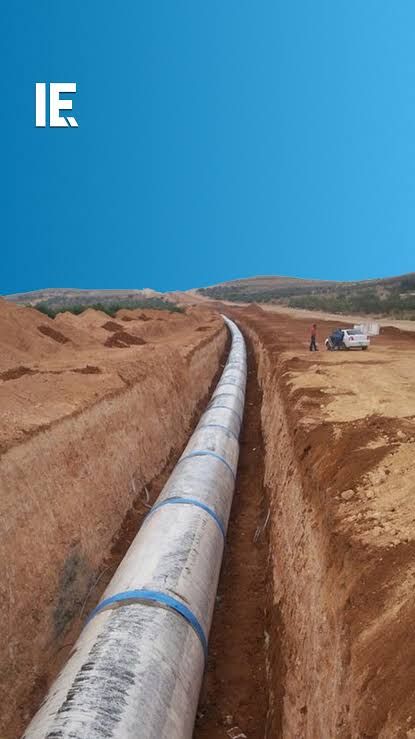
This 8-meter-diameter underground pipeline stretches over 2,820 km, making it the longest water supply network in the world. Built in Libya, this marvel transports water from deep underground aquifers in the Sahara Desert to the coastal cities where most of Libya’s population lives.
How Was It Built?
The project started in 1984 under Muammar Gaddafi’s regime and took decades to construct.
It consists of a network of pipes, reservoirs, and pumping stations transporting over 6.5 million cubic meters of water daily—enough to fill 2,600 Olympic-sized swimming pools.
The water is drawn from fossil aquifers, which are over 10,000 years old and buried beneath the desert.
Why Don’t People Talk About It?
It’s in Libya, a country that has faced political instability, so it doesn’t get much media attention.
Many Western engineers dismissed the project as impossible before it was completed.
In 2011, during NATO’s intervention in Libya, the system was bombed, damaging key infrastructure.
The Ironic Twist
The GMR was often called “the Eighth Wonder of the World,” yet it remains one of the least-known engineering feats. It’s a reminder that greatness doesn’t always get the recognition it deserves—something engineers, like myself, know all too well.

 Engineer's Log